
Affiliate Disclosure: I am a proud Flodesk partner. All opinions are my own.
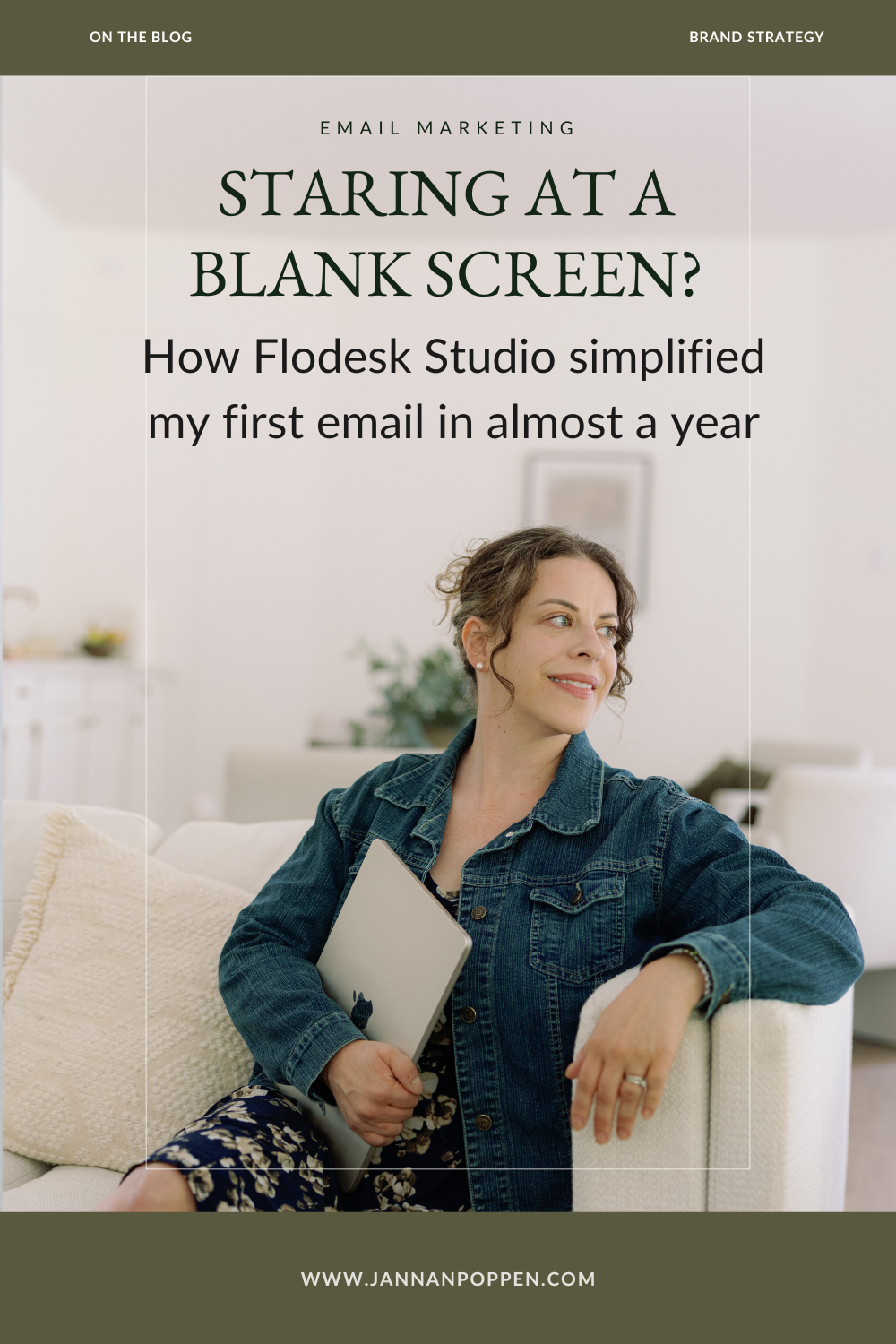
Confession: I had not emailed my list in almost a year.
It was not because I had nothing to say. I had business updates, new offers, behind-the-scenes stories, ideas I wanted to share, and more than a few half-written drafts living in my brain. Every time I thought about emailing my list, though, the task somehow grew larger. What should I say first? Did I need to explain where I had been? Should I share everything that had changed? Did my email template need a refresh before I could send anything?
By the time I opened my email platform, I was already overwhelmed. I would stare at the blank screen, watch the cursor blink for a few seconds, and suddenly remember something else that felt much more urgent. Maybe I needed to update a page on my website. Maybe I should organize my files. Maybe the houseplants needed immediate attention. Anything felt easier than writing that first sentence.
The longer I waited, the harder it became to send anything at all. My first email back started to feel like it needed to be a perfectly planned comeback, complete with a brilliant subject line, a beautiful design, a strategic update, and a full explanation for my absence. What should have been one simple email had somehow turned into a full brand relaunch in my head.
That is where Flodesk Studio came in. 🎉
The Blank Screen Was the Real Problem
Writing the email was not necessarily the hardest part. The real challenge was getting started.
A blank page creates an endless number of decisions. You are not only figuring out what to say. You are also thinking about the headline, the layout, the images, the buttons, the spacing, the colors, the links, and whether anyone on your list even remembers who you are. When you have been quiet for a while, all of those decisions seem to show up at once.
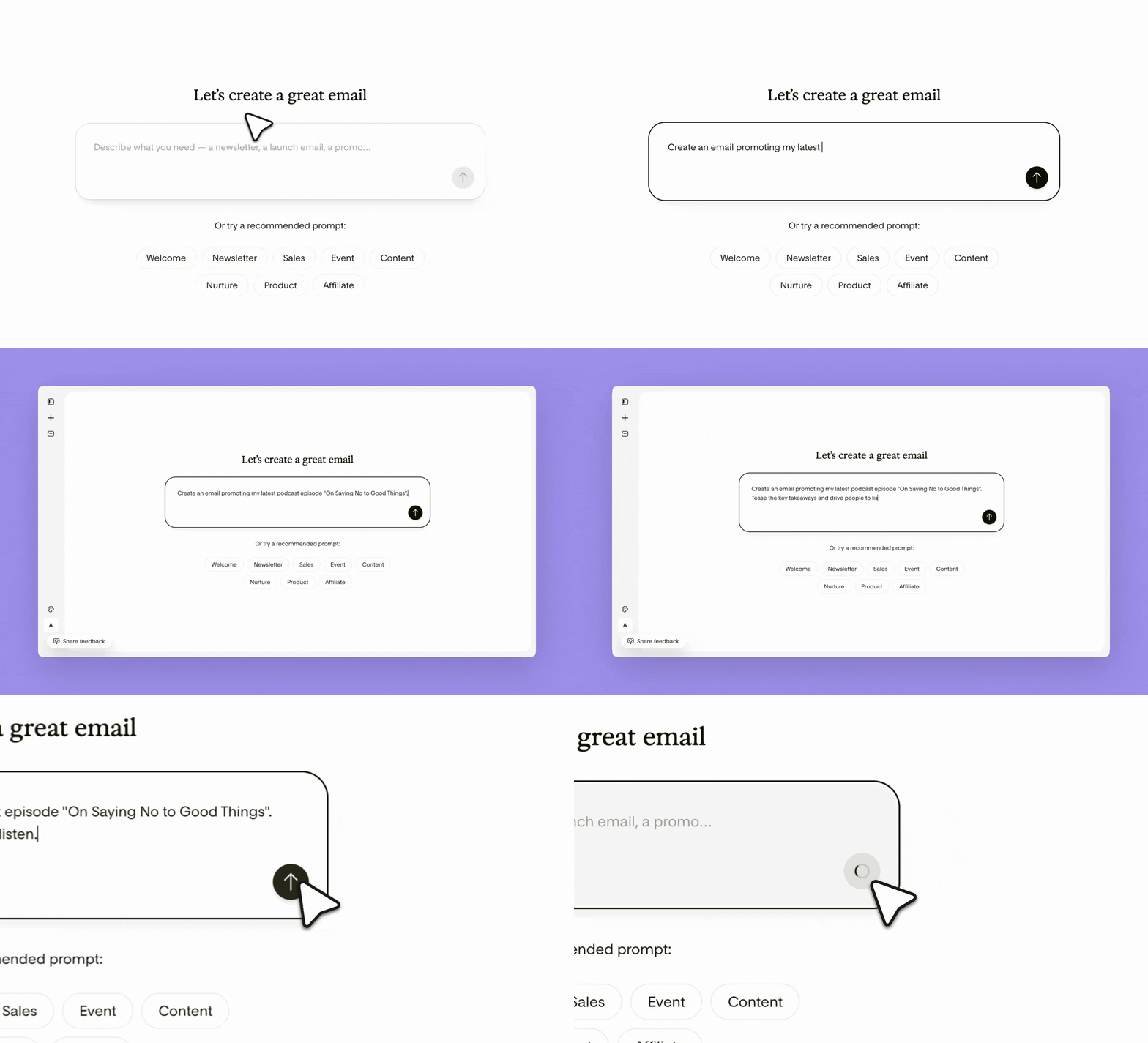
Flodesk Studio helped simplify the process by giving me something to work from instead of asking me to create everything from scratch. You can begin with a template, a prompt, or even a rough idea, then tell Studio what kind of email you want to create. Within seconds, it generates three complete design directions to choose from.
These are not just loose outlines or generic suggestions. Each option is already designed, structured, and ready to refine. The layouts feel intentional, the content has a clear flow, and the overall direction reflects your brand. Instead of staring at an empty screen and trying to make every decision at once, you get three strong starting points in front of you.
That shift changed the entire experience for me. I was no longer trying to invent the perfect email from nothing. I was reacting to something that already existed. I could see which layout felt right, which opening I preferred, where I wanted an image, and what needed to change. The process became less about forcing myself to create and more about making thoughtful choices.
Starting With Something Changes Everything
There is a huge difference between creating from scratch and refining an existing idea.
When you are working from a blank screen, every possibility remains open. You have to decide where the headline should go, how long the introduction should be, whether you need a photo, how many sections to include, and where the call to action belongs. Even small decisions can feel exhausting when they are all waiting for you at the same time.
When Studio gives you three finished directions, you immediately have something concrete to respond to. You might love the structure of one option but prefer the image placement in another. One version may feel too polished, while another feels more natural and conversational. You can quickly identify what sounds like you, what does not, and what you want to combine or adjust.
For my first email back, this was exactly what I needed. I did not want AI to take over my voice or create something generic on my behalf. I wanted help moving past the intimidating first step. Studio gave me a foundation, but I still had complete control over the final result.
Once I chose a direction, I could refine the email in chat, move sections around with drag and drop, rewrite the copy, or adjust the design manually. I could make broad changes quickly or focus on the smallest details. The starting point was generated for me, but the final email was still shaped by my own ideas, voice, and creative decisions.
AI Did Not Replace the Creative Process
I think this is where many business owners feel hesitant about using AI for their marketing. We do not want our content to sound robotic, overly polished, or disconnected from the personality of our brand. Your audience joined your list because they want to hear from you, not a marketing machine dressed up in your fonts and colors.
What I appreciated about Flodesk Studio was that it did not feel like handing over the creative process. It felt more like having a design assistant help me explore the first few possibilities. The tool accelerated the beginning, but it did not decide the ending.
After Studio created the initial directions, I could rewrite anything that did not sound natural, adjust the pacing, remove sections, add personal details, and change the visual hierarchy. I could refine the email through chat or get more hands-on by adjusting every pixel myself. That flexibility meant I could keep the process simple when I needed to move quickly, while still having the freedom to make the email feel completely my own.
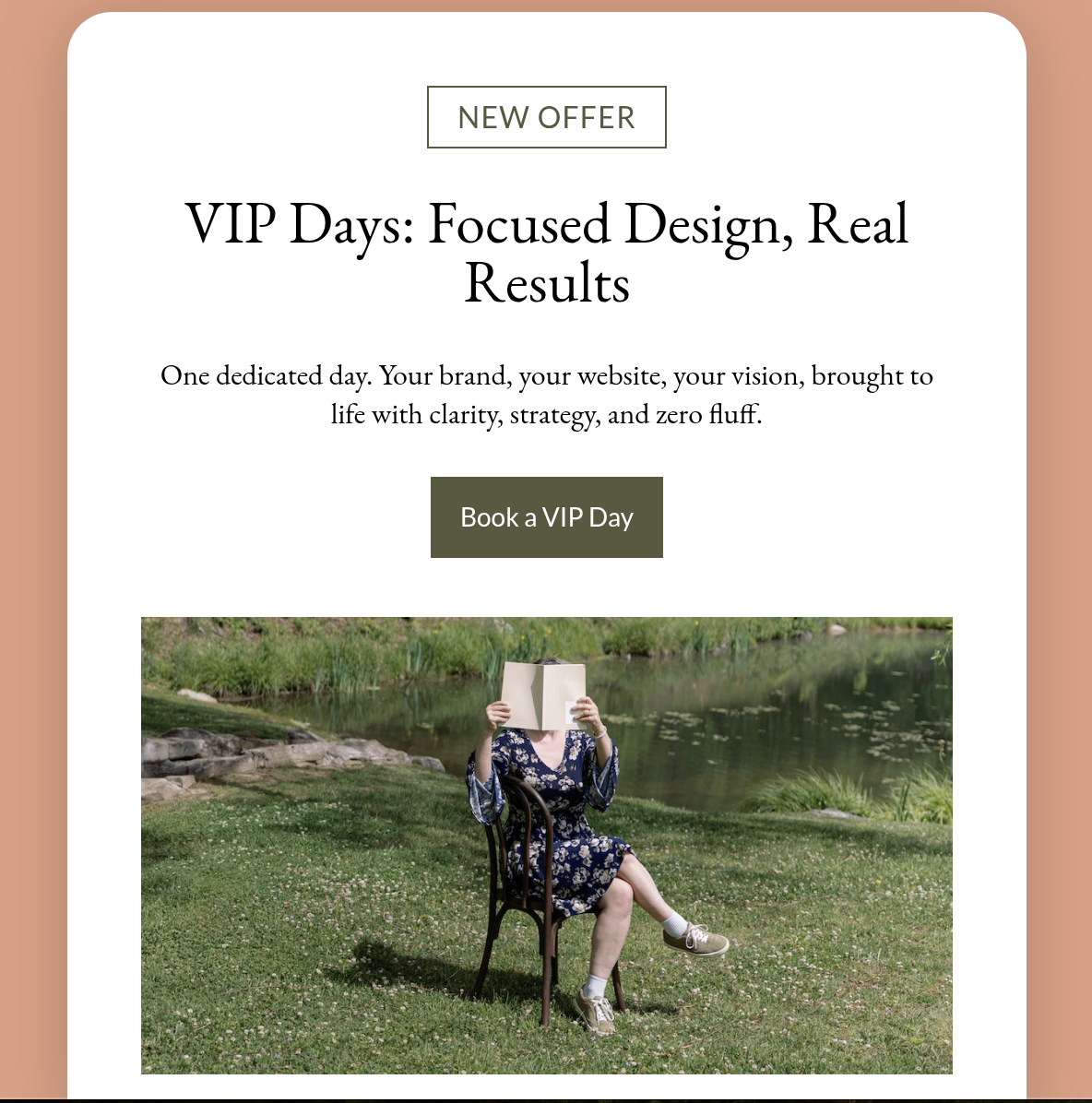
The final result still included my stories, my perspective, my words, and my design choices. Studio simply helped me move those ideas out of my head and into a format I could actually work with. It was real human design, accelerated by AI and finished by me.
That distinction matters. The goal was not to remove creativity from the process. The goal was to remove the friction that was preventing me from beginning.
It Made Email Marketing Feel Manageable Again
After nearly a year away from my list, I had built email marketing into something far more intimidating than it needed to be. I thought I needed a perfectly planned sequence, a major announcement, and several months of content mapped out before I could return.
In reality, I just needed to send one email.
Studio helped me focus on that one step. I gave it the basic idea: I had been quiet for a while, I wanted to reconnect, and I wanted to share what I had been working on. From there, it gave me three directions. I chose the one that felt closest to my brand, refined the wording, adjusted the design, and suddenly I had a finished email.
There was no dramatic content retreat, no three-day design spiral, and no waiting for inspiration to arrive at exactly the right moment. I simply moved from an idea to a polished draft in a way that felt manageable.
That was the biggest win for me. Studio did not just help me create faster. It helped make the task feel smaller. It turned one overwhelming project into a series of clear, simple decisions. Choose a direction. Edit the words. Adjust the layout. Review the details. Send.
Once I saw the finished email in front of me, the whole process felt much less intimidating than it had in my head.
Your Emails Should Still Look Like You
As a brand and web designer, I care deeply about how things look and feel. An email is not just a container for information. It is another place where your audience experiences your brand.
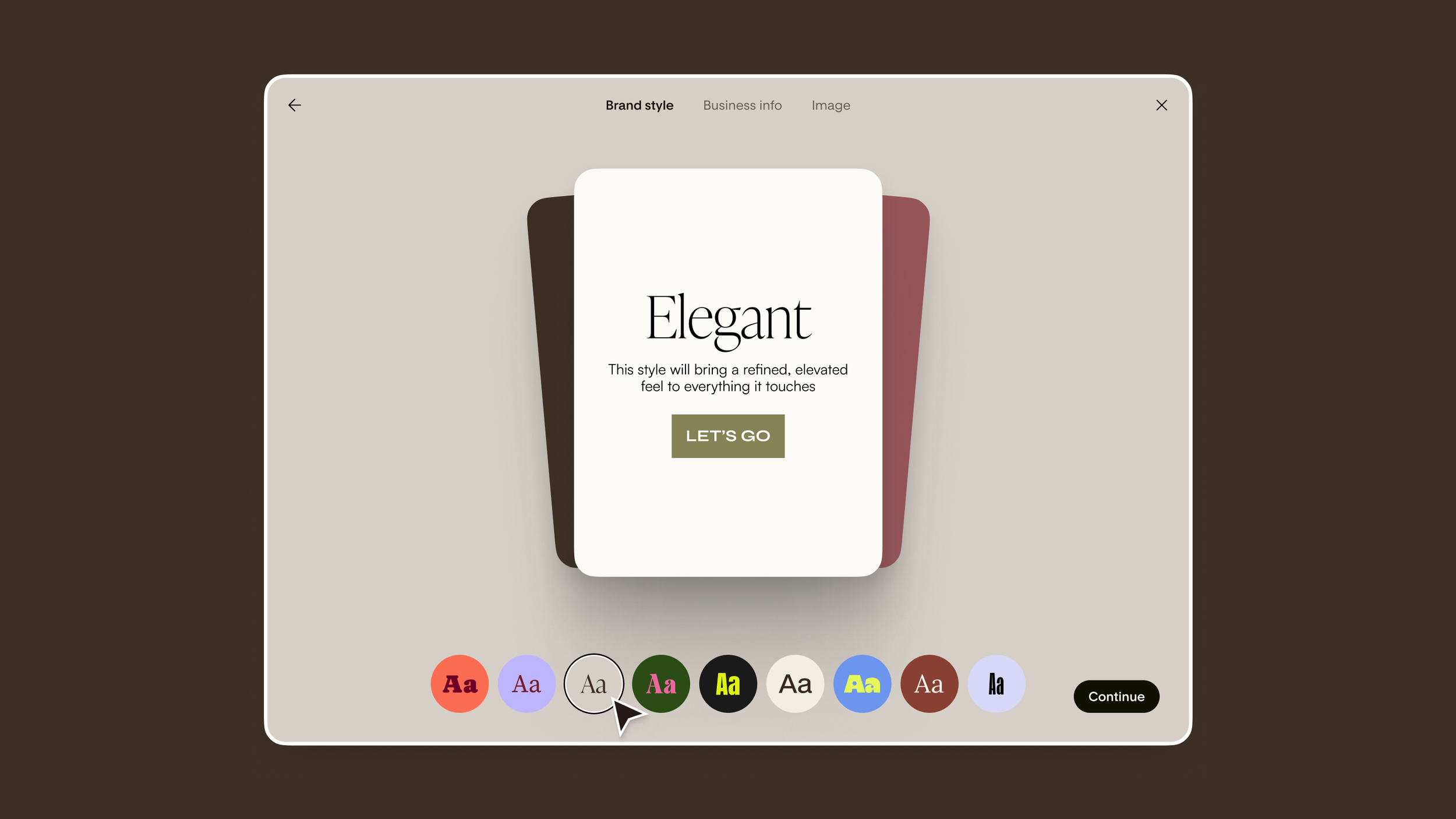
The typography, colors, photography, spacing, voice, and overall rhythm all communicate something. A well-designed email can feel personal, thoughtful, and cohesive before someone even reaches the main message. It helps build recognition and trust, especially when it feels connected to the rest of your brand.
That is another reason Studio stood out to me. The directions it generated did not feel like random templates I had to wrestle into submission. They gave me a polished starting point while still leaving plenty of room for customization.
I could keep the design simple and send a more personal note, or I could create a more visual campaign with multiple sections, images, and a stronger sense of storytelling. I could use drag and drop for quick adjustments or fine-tune every detail manually. The process could be as streamlined or as hands-on as I wanted it to be.
Most importantly, the final email still looked and sounded like me. The AI supported the creative process without flattening the personality out of it.
When the email was ready, I could send it directly through Flodesk or export it to use elsewhere. That made the entire process feel connected, from the first idea to the final send.
The Best Tool Is the One That Helps You Begin
There are plenty of tools designed to help us create faster, but speed is not always the real problem. Sometimes the problem is resistance.
It is the pressure of starting again after a long break. It is the belief that everything needs to be perfect before it can be shared. It is the voice telling you that your first email back needs to be strategic, beautiful, valuable, entertaining, and completely unlike anything anyone has ever received before.
It does not.
It simply needs to exist.
Flodesk Studio helped me move from saying, “I really need to email my list,” to creating an actual finished email without sacrificing the personality, intention, or design I wanted it to have. It replaced the blank screen with options and turned one big, vague task into a series of smaller creative decisions.
Most importantly, it reminded me that I did not need to have everything figured out before I started. I could begin with a template, a prompt, or a rough idea. I could shape the result as I went. I could let the technology speed up the parts that were slowing me down while keeping the final creative decisions in my own hands.
After almost a year, I finally hit send.
And now that the blank-screen spell has been broken, the next email already feels a whole lot easier.
Start creating today: studio.flodesk.com

Hi! I’m Jannan
I thrive on bringing your big ideas to life with simple, client-getting strategy at the forefront.
My clients are wildly passionate and courageous coaches, creatives, and thought leaders. Sound like you? You’ll be right at home here.